Trump Weighs New AI Security Measures Amid OpenAI Breach Concerns
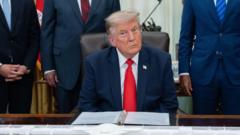
Trump Administration Shifts Stance on AI Regulation
The Trump administration is now evaluating the implementation of Trump AI security controls in response to recent security breaches affecting OpenAI, marking a significant departure from its previously permissive regulatory approach toward emerging technologies. This policy reconsideration reflects growing concerns about the vulnerability of critical artificial intelligence infrastructure to cyber threats.
For months, the administration maintained a largely unregulated environment for technology companies, believing that minimal government intervention would foster innovation and economic growth. However, the recent hacking incidents involving OpenAI have prompted officials to reassess this hands-off philosophy and explore more robust oversight mechanisms.
The Nature of Recent Security Breaches
The hacking incidents targeting OpenAI have exposed vulnerabilities in the security protocols of one of the world's most prominent artificial intelligence companies. These breaches have raised alarm bells not only within the technology sector but also among government officials responsible for national security and data protection. The incidents underscore the increasing sophistication of cyber attacks targeting AI platforms that process vast amounts of sensitive information.
Implications for Data Protection
Security experts warn that compromised AI systems could potentially be exploited to extract proprietary algorithms, training data, and other intellectual property. The vulnerability of such high-profile platforms demonstrates that even well-resourced organizations face significant challenges in defending against advanced cyber threats. This reality has forced policymakers to consider whether market forces alone are sufficient to ensure adequate protection of critical infrastructure.
Government Response and Policy Direction
Trump administration officials are currently in discussions regarding the scope and nature of potential AI security controls. These deliberations involve representatives from various federal agencies, including the Department of Defense, the National Security Agency, and the Cybersecurity and Infrastructure Security Agency. The goal is to develop a regulatory framework that enhances security without stifling the rapid advancement of artificial intelligence technologies.
The proposed measures may include mandatory security audits, incident reporting requirements, and compliance standards for companies developing and deploying AI systems. Additionally, the administration is considering establishing a government body dedicated to overseeing cybersecurity in the AI sector, similar to regulatory structures that exist for other critical industries.
Balancing Innovation with Security
One of the central challenges facing policymakers is striking an appropriate balance between fostering innovation and implementing necessary security measures. The technology industry has consistently argued that excessive regulation could hamper research and development, potentially allowing international competitors to gain a competitive advantage. However, national security officials counter that without adequate safeguards, adversarial nations and malicious actors could exploit vulnerabilities in AI systems for espionage or other harmful purposes.
International Considerations
The timing of this policy shift also reflects concerns about global competition in AI development. Countries including China and Russia are investing heavily in artificial intelligence capabilities, and security breaches in American AI companies could undermine the nation's technological leadership. By implementing robust security controls, the administration aims to protect both commercial interests and national security advantages.
Industry Response and Stakeholder Perspectives
Technology companies have begun responding to signals of impending regulation. Some have voluntarily enhanced their security measures in anticipation of formal requirements, while others have engaged with government officials to shape the contours of any future regulatory framework. Trade associations representing the tech industry are advocating for flexible, performance-based standards rather than prescriptive regulations that could impose significant compliance burdens.
OpenAI, at the center of recent incidents, has announced investments in strengthening its cybersecurity infrastructure and has committed to maintaining transparent communication with regulators regarding security threats. The company has also emphasized its collaborative approach to developing security standards across the AI industry.
Path Forward and Expected Timeline
Administration officials suggest that preliminary recommendations for AI security controls could be finalized within the coming months. The process will likely involve extensive consultation with industry stakeholders, academic experts, and international partners to ensure that any regulations are both effective and internationally coordinated. The emergence of these policies represents a turning point in how the U.S. government approaches regulation of the rapidly evolving technology sector.
The shift from a hands-off approach to more active oversight signals recognition that market mechanisms alone may be insufficient to address complex security challenges posed by cutting-edge technologies. As artificial intelligence continues to permeate critical sectors of the economy, establishing clear security standards and accountability mechanisms has become increasingly important for maintaining public trust and national competitiveness.