Spain's PM Blames Traffickers as 60,000 Migrants Reach Ceuta
Spain's PM Blames Traffickers as 60,000 Migrants Reach Ceuta
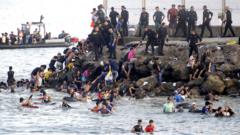
Spain's Prime Minister has directed responsibility toward traffickers following a significant migration event in which 60,000 migrants reached Ceuta from Morocco. The incident sparked diplomatic tensions and prompted immediate responses from neighboring European nations, particularly Italy, which took unprecedented action regarding border protocols.
The Migration Crisis Unfolds
The arrival of such a substantial number of migrants reaching Ceuta represents one of the most significant border movements in recent years. Spanish authorities documented the influx with precision, tracking individuals as they crossed into the autonomous city enclave. Government officials emphasized that the majority of those who arrived had returned to Moroccan territory by Friday evening, limiting the strain on local resources and accommodation facilities.
Spain's Government Response
In addressing the situation, Spain's leadership focused on attributing blame to organized trafficking networks. The Prime Minister's statement highlighted how criminal organizations orchestrate these mass movements, exploiting vulnerable individuals seeking better opportunities in Europe. This rhetorical approach shifted focus from border security failures to the structural criminal networks facilitating illegal migration.
Spanish authorities coordinated rapid response efforts to manage the influx. Officials worked alongside local services in Ceuta to process individuals and facilitate their return. The government's narrative centered on external criminal actors rather than internal policy shortcomings, a strategic communication choice in the face of international scrutiny.
Italy's Dramatic Action on Schengen
The migration event triggered a forceful Italian response that reverberated across European borders. Italy suspended its Schengen agreement on free movement with Madrid, marking an escalation in intra-European tensions over migration policy. This suspension represented a significant diplomatic gesture, signaling Italian frustration with Spain's border management approach.
The Schengen Area, which permits free movement among participating nations, has increasingly become a point of contention as member states debate responsibility for migration flows. Italy's decision to suspend the agreement with Spain reflected broader European anxieties about burden-sharing in migration management.
Trafficking Networks Under Scrutiny
The Prime Minister's emphasis on traffickers as primary culprits drew attention to the sophisticated criminal operations that organize mass migrations. These networks exploit desperate individuals willing to risk dangerous journeys, profiting substantially from their fees. Understanding these trafficking mechanisms becomes essential for developing comprehensive policy responses.
Spanish officials pointed to the role of criminal syndicates in coordinating the movement of such large populations. These organizations utilize boats, guides, and forged documentation to move people across borders systematically. The scale of operation evident in the 60,000 arrivals suggested significant logistical coordination among trafficking groups.
Border Management and European Relations
The incident highlighted ongoing tensions within the European Union regarding migration responsibility distribution. Spain, situated as a primary entry point for migrants from North Africa, frequently bears significant pressure from border flows. The government's focus on external trafficking actors deflected from internal border control discussions.
Bilateral relations with Italy deteriorated following the Schengen suspension. This European Union member state action underscored how migration events can rapidly escalate diplomatic tensions. The decision impacted cross-border movement between the two nations, affecting legitimate travelers and commerce.
Return of Migrants to Morocco
By Friday evening, Spanish authorities confirmed that the majority of migrants reaching Ceuta had returned to Moroccan territory. This rapid reversal suggested either voluntary departures or coordinated repatriation efforts with Moroccan authorities. The quick turnaround prevented a sustained humanitarian crisis in the city.
The return process involved coordination between Spanish and Moroccan officials, demonstrating bilateral capacity for managing border movements despite political tensions. The successful repatriation of most arrivals became the government's primary evidence of effective crisis management.
Looking Forward
The incident prompted renewed discussions about European migration policy and trafficking enforcement. Spain faced pressure to strengthen border security while maintaining humanitarian standards. The situation underscored the complexity of managing migration flows in an interconnected Mediterranean region where multiple nations compete for influence and resources.


