Sainsbury's Completes Argos Sale for £120 Million
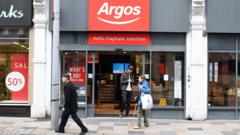
Sainsbury's Argos Sale for £120 Million Marks Major Retail Shift
In a significant development within the UK retail sector, Sainsbury's has reached an agreement to divest its Argos division for £120 million. This Sainsbury's Argos sale represents a strategic repositioning of the grocery retailer's portfolio, allowing the company to focus on its core supermarket operations while maintaining crucial market presence through innovative partnership arrangements.
Key Terms of the Sainsbury's Argos Transaction
The agreement establishes a framework that preserves critical operational elements for both entities. Under the deal's conditions, Argos will continue its established presence within Sainsbury's store locations across the United Kingdom. This arrangement ensures that customers shopping at Sainsbury's supermarkets will maintain seamless access to Argos catalogue shopping services and product offerings.
Habitat Product Integration
A cornerstone of this Sainsbury's Argos sale includes the continued distribution of Habitat products through the integrated retail network. Habitat, a home furnishings and lifestyle brand, will benefit from expanded retail distribution channels while maintaining its association with Sainsbury's customer base. This synergy demonstrates how the transaction creates value for multiple stakeholder groups despite the formal separation of corporate entities.
Nectar Points Loyalty Program
Another essential component protecting customer interests involves the Nectar loyalty programme. Customers will continue earning and redeeming Nectar points when making purchases through Argos within Sainsbury's locations. This preservation of the rewards programme reflects the commitment to maintaining customer value throughout the transition, ensuring that shoppers face no disruption to their accumulated loyalty benefits.
Strategic Implications of the £120 Million Deal
The Sainsbury's Argos sale for £120 million signals important strategic positioning within competitive UK retail markets. By divesting the catalogue retailer division, Sainsbury's can redirect capital and management resources toward strengthening its core supermarket operations. Simultaneously, the arrangement preserves the catalogue shopping experience that significant customer segments value, preventing market disruption.
This transaction approach reflects modern retail strategy, where pure-play specialists increasingly operate alongside grocery anchors rather than functioning as wholly-owned divisions. The structural flexibility created through this arrangement allows each business to optimize its operational model independently while maintaining customer touchpoints.
Retail Sector Context and Significance
The Sainsbury's Argos sale occurs within a broader transformation of UK retail. Traditional department store models and catalogue retailers have faced sustained pressure from e-commerce expansion and changing consumer shopping patterns. Strategic moves such as this transaction enable established retailers to adapt business models while preserving valuable market positions.
Argos, founded decades earlier as a pioneering catalogue retailer, has successfully navigated industry transitions through innovative service models. The continued integration within Sainsbury's stores positions Argos to leverage grocery retail's physical footprint while operating as an independent commercial entity. This hybrid model potentially appeals to both retailers and investors seeking exposure to evolving consumer preferences.
Customer Experience Preservation
Throughout this Sainsbury's Argos sale process, customer experience remains paramount. The agreement's specific provisions demonstrate commitment to uninterrupted service delivery. Shoppers will encounter no changes to service availability, loyalty programme participation, or product selection across integrated locations. This customer-centric approach reduces transition friction and supports long-term customer retention for both organizations.
The availability of Argos services within Sainsbury's locations provides convenient omnichannel options for consumers managing household shopping comprehensively. Customers can complete supermarket purchases while accessing home furnishings, electronics, and general merchandise through Argos catalogues and ordering systems within the same visit.
Looking Forward: Post-Transaction Outlook
Following completion of the £120 million transaction, both Sainsbury's and Argos operate with enhanced strategic clarity regarding their respective market positions. Sainsbury's benefits from simplified corporate structure and improved capital allocation flexibility. Argos gains operational independence while retaining crucial retail distribution infrastructure that supports its competitive positioning.
The Sainsbury's Argos sale demonstrates how sophisticated transaction structures can create positive outcomes for retailers, customers, and broader market participants. By preserving customer benefits including Habitat product availability and Nectar loyalty rewards while enabling corporate reorganization, the agreement balances multiple stakeholder interests effectively. This transaction will likely influence future retail restructuring decisions across the sector as companies seek optimal organizational models for contemporary market conditions.