Reform UK Denies Press Access to Critical Journalists
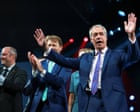
Reform UK Restricts Media Coverage at Annual Conference
Reform UK journalists banned from attending the party's annual conference have sparked fresh debate about press freedom and political transparency. Three prominent media professionals were informed this week that their credential applications for the upcoming event had been rejected, raising concerns about media access to political gatherings.
The journalists affected by the Reform UK journalists banned decision include Anna Isaac, the Guardian's City editor, renowned investigative reporter Peter Geoghegan, and broadcaster plus biographer Michael Crick. All three individuals had previously produced critical coverage examining the party's operations and its leadership figures.
Details of the Credential Denials
The decisions to reject press credentials were communicated to the journalists during the week preceding the conference, which commenced on Thursday. This timing left minimal opportunity for appeal or clarification regarding the grounds for exclusion.
Anna Isaac has covered financial and corporate matters extensively for the Guardian, often scrutinizing political figures and business relationships. Peter Geoghegan is recognized for investigative journalism that frequently examines political funding and organizational practices. Michael Crick brings decades of experience as both a broadcaster and author, having written biographical works about prominent politicians.
Questions About Editorial Independence
The rejection of these media professionals raises significant questions about the boundaries of press access to political events. Democratic institutions typically maintain principles of editorial independence, allowing journalists to report critically on political organizations without fear of exclusion from coverage opportunities.
Conference attendance permits journalists to conduct interviews, observe proceedings, and gather first-hand information about party positions and statements. Restricting access based on previous reporting patterns raises concerns about limiting the scope of public information available regarding political activities.
Context of Critical Reporting
The three journalists whose credentials were declined have each produced reporting that examined aspects of Reform UK's operations or leadership. The party's decision to exclude them suggests a response to coverage the organization deemed unfavorable or critical.
Peter Geoghegan's investigative work has frequently focused on funding sources and financial relationships within political organizations. Anna Isaac's reporting has covered various aspects of corporate and political financial matters. Michael Crick's biographical approach often involves examining politicians' historical statements and policy positions.
Implications for Media Access and Transparency
The incident highlights ongoing tensions between political organizations and media outlets regarding access and editorial direction. While private organizations technically retain authority over attendance at events they organize, political parties occupy a unique position in democratic systems where public interest considerations often outweigh organizational preferences.
Professional journalism organizations maintain standards regarding impartial coverage and editorial decision-making. Restricting journalist access based on previous reporting content creates potential conflicts with these established principles. The ability to report on political parties' conference proceedings, policy announcements, and leadership statements constitutes an important function of media institutions.
Precedent and Political Practice
Political conferences traditionally provide forums for media interaction and public-facing communication. While organizations can technically manage attendance, systematic exclusion of journalists creates questions about transparency and public accountability. Democratic political parties generally maintain policies permitting broad media access to conference events, regardless of prior coverage perspectives.
The decision by Reform UK journalists banned from coverage represents a departure from conventional practice within British political party management. Most major parties extend conference credentials to journalists from various organizations, including those whose reporting has been critical of party positions or leadership.
Responses and Ongoing Debate
The credential denials generated discussion within media and political circles regarding appropriate boundaries for access restrictions. Professional journalism bodies have historical positions supporting press access to political events as essential for democratic reporting functions.
This situation underscores broader conversations about the relationship between political organizations and media institutions. While both maintain distinct roles, the public's access to information about political activities often depends on journalists' ability to attend and report from significant political events. Restrictions on this access can limit the scope of information available to voters and the public regarding party operations, policy positions, and leadership activities.