Hamas Disarmament Strategy Presents Obstacles Yet Offers Gaza Hope
Hamas Disarmament Plan: Navigating Complexity Toward Peace
A comprehensive Hamas disarmament plan emerges as a pivotal yet challenging endeavor that could reshape the trajectory of peace efforts in Gaza. While the Hamas disarmament plan presents substantial hurdles rooted in political complexity, military realities, and decades of mistrust, it simultaneously represents an unprecedented opportunity for regional stabilization and civilian protection.
The Political Landscape and War Realities
The implementation of any Hamas disarmament initiative must contend with multifaceted political obstacles that extend far beyond military considerations. The entrenched positions of various stakeholders, combined with the profound humanitarian consequences of ongoing conflict, create an intricate negotiating environment. Political leaders face pressure from diverse constituencies while attempting to broker arrangements that satisfy international community expectations and local security concerns.
The realities of contemporary warfare, asymmetrical conflict dynamics, and the proliferation of military capabilities throughout the region compound these challenges significantly. Any viable Hamas disarmament plan must account for these shifting tactical and strategic landscapes while maintaining credibility with affected populations.
Destruction and Human Cost: Barriers to Trust
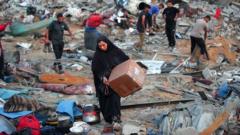
The extensive destruction of Gaza's infrastructure and the loss of thousands of lives have created profound psychological and social barriers to meaningful dialogue. Communities that have experienced significant trauma require comprehensive assurances that extend beyond military commitments. The humanitarian dimension of the Hamas disarmament plan cannot be separated from its security objectives.
Zero trust environments characterize current negotiations, where historical grievances and past failed agreements inform all participants' assessments. Building confidence sufficient to support disarmament requires transparent verification mechanisms, international oversight, and sustained commitment from all parties involved in implementation.
Structural Complications in Agreement Framework
Formulating an agreement that addresses the Hamas disarmament plan requires navigating numerous structural complications. International law, national security imperatives, and humanitarian obligations must be reconciled within a single framework. The sequence of implementation steps becomes critically important, as each party requires assurances that others will honor their commitments simultaneously.
Verification protocols represent another significant challenge. Establishing credible mechanisms to confirm disarmament progress demands international cooperation, technological capabilities, and access agreements that may prove contentious. Regional powers maintain divergent interests in Gaza's future political configuration, complicating consensus on monitoring arrangements.
Economic and Social Integration
Successful disarmament extends beyond military considerations to encompass economic rehabilitation and social reconstruction. The Hamas disarmament plan must incorporate mechanisms for reintegrating armed personnel into civilian society, addressing unemployment, and rebuilding essential services. Without concurrent development initiatives, disarmament agreements face significant compliance risks.
International Support and Commitment
External actors play essential roles in facilitating the Hamas disarmament plan through financial support, security guarantees, and diplomatic engagement. However, competing international interests sometimes work at cross-purposes, undermining consensus necessary for sustained implementation. Long-term commitment from major powers ensures that initial agreements don't deteriorate during challenging implementation phases.
Hope for Regional Transformation
Despite formidable obstacles, the emerging Hamas disarmament plan offers genuine hope for transformative change in Gaza and the broader region. Successful disarmament could reduce civilian casualties, enable humanitarian access, and create space for economic development. The rare alignment of international pressure, regional actors' evolving interests, and exhaustion among affected populations creates opportunities previously unavailable.
The potential benefits of achieving meaningful disarmament extend beyond military security to encompass improved governance, institutional development, and civilian protection mechanisms. Communities ravaged by conflict recognize that alternative pathways must be explored, even when initial steps appear daunting.
Conclusion: Cautious Optimism and Realistic Expectations
The Hamas disarmament plan represents a delicate balance between acknowledging severe obstacles and recognizing genuine opportunities for progress. The complicated realities of political negotiation, military capabilities, profound historical mistrust, and devastating human costs cannot be minimized. Yet these same circumstances have created unprecedented motivation for seeking alternatives to endless conflict cycles. Success requires sustained international engagement, transparent implementation mechanisms, and commitment from all parties to genuine transformation. While challenges remain formidable, the pursuit of viable disarmament pathways offers tangible hope for Gaza's future and regional stability.


