Hamas Disarmament Plan Presents Obstacles Yet Sparks Gaza Hope
Hamas Disarmament Plan: Navigating Complex Obstacles in Gaza's Future
The Hamas disarmament plan represents a pivotal moment in Middle Eastern geopolitics, offering a potential pathway toward stability while confronting formidable challenges rooted in years of conflict. Although the framework presents obstacles that threaten implementation, experts acknowledge that this initiative constitutes one of the most significant opportunities Gaza has encountered in recent times.
Understanding the Political Landscape
The intricate nature of contemporary politics surrounding the Gaza situation demands careful analysis. Multiple stakeholders—including regional governments, international bodies, and armed factions—maintain divergent interests and strategic objectives. These competing agendas create friction points that complicate negotiations around the Hamas disarmament plan. The diplomatic environment remains fragile, with trust deficits between parties undermining confidence-building measures essential for successful implementation.
International mediation efforts face unprecedented complexity as negotiators attempt to bridge ideological divides and address historical grievances. The political will required to advance such a comprehensive agreement must overcome decades of hostility and mutual suspicion among all involved parties.
Military and Security Challenges
The ongoing conflict has created security dynamics that present substantial obstacles to any disarmament framework. Military infrastructure, established throughout years of resistance operations, cannot simply vanish through agreement alone. The decentralized structure of armed groups complicates verification and enforcement mechanisms necessary for effective weapons reduction.
Security forces operating across Gaza maintain entrenched positions and control mechanisms that would require fundamental restructuring. Any credible Hamas disarmament plan must address these institutional realities while ensuring protection for populations vulnerable during transition periods. Establishing alternative security arrangements acceptable to international monitors and local communities remains deeply problematic.
The Toll of Ongoing Destruction
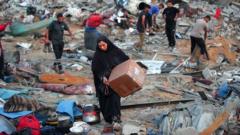
Years of conflict have devastated Gaza's infrastructure, claiming thousands of lives and displacing hundreds of thousands of residents. The physical and psychological scars permeate every aspect of society, influencing how communities evaluate peace proposals. Survivors and bereaved families harbor legitimate grievances that transcend typical diplomatic frameworks.
The humanitarian crisis demands simultaneous attention to immediate survival needs while pursuing long-term political solutions. Reconstruction efforts must proceed parallel to disarmament discussions, creating logistical and financial complexities. International support for rebuilding Gaza remains politically contested, further impeding comprehensive resolution efforts.
Trust Deficits and Confidence Building
Zero trust characterizes relationships between primary negotiating parties, rooted in historical violations, unfulfilled agreements, and documented betrayals. Previous accords that collapsed, abandoned commitments, and renewed hostilities have created psychological barriers that transcend formal negotiations. Establishing verification mechanisms credible to skeptical observers requires innovative approaches beyond conventional arms control frameworks.
Confidence-building measures must address legitimate security concerns while creating space for dialogue. External guarantors might facilitate process, yet local actors must ultimately champion implementation. The Hamas disarmament plan cannot succeed without demonstrable commitment from leadership on all sides to prioritize peace over confrontation.
Rare Opportunities Amid Crisis
Despite formidable obstacles, current circumstances create potential openings previously unavailable. Regional shifts, international attention, and humanitarian imperatives converge, offering negotiators unprecedented leverage for advancing meaningful agreements. Lessons from other conflict zones—where disarmament eventually succeeded—demonstrate that even intractable situations can transform through sustained diplomatic effort.
The window for achievement remains narrow, constrained by seasonal political calendars and shifting international focus. Building momentum requires demonstrable progress on foundational agreements addressing security architecture, verification protocols, and transitional justice mechanisms.
Path Forward: Implementation Realities
Successful advancement of the Hamas disarmament plan demands recognition that perfection cannot be prerequisite for progress. Imperfect agreements, gradually implemented with robust international oversight, may prove more achievable than comprehensive frameworks requiring unanimous consent. Sequenced approaches—addressing most tractable issues first—can generate momentum toward more difficult negotiations.
Transitional arrangements recognizing existing power structures while establishing pathways toward institutional reform offer realistic routes forward. Integrating armed personnel into civilian governance, security services, or educational systems addresses practical concerns about combatants' futures while facilitating gradual force reduction.
The stakes surrounding this critical moment extend beyond Gaza, carrying implications for regional stability and international conflict resolution capacity. Whether current obstacles prove insurmountable or represent temporary impediments to progress remains uncertain, yet the opportunity for transformative change warrants maximum diplomatic investment and sustained international engagement.


