Funeral Director Robert Bush Sentenced to 20 Years for Failing to Bury Bodies
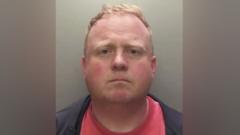
Funeral Director Receives Two-Decade Sentence for Grave Misconduct
A prominent funeral director has been convicted and sentenced to 20 years in prison following a shocking case involving systematic failures in basic funeral services. The funeral director sentenced for these offenses operated a business that fundamentally betrayed the trust of grieving families during their most vulnerable moments. The criminal conduct uncovered during the investigation revealed a pattern of neglect, deception, and fraud that shocked the judicial system and the funeral services industry.
Systemic Failures in Burial and Cremation Services
The investigation into the funeral home's operations exposed multiple critical failures in the handling of deceased individuals. Rather than providing the dignified services promised to families, the business failed to properly bury bodies entrusted to its care. The extent of this negligence became apparent as authorities began examining records and conducting searches of the funeral home's facilities and grounds.
Beyond the failure to bury bodies, the funeral home also failed to cremate individuals as requested by their families. These cremation procedures represent essential final services that families depend upon to honor their loved ones. The systematic nature of these failures suggests a widespread pattern of operational breakdown rather than isolated incidents.
Distributing Stranger's Ashes to Grieving Families
Perhaps most distressing to those affected was the revelation that the funeral home gave bereaved relatives the ashes of strangers. This profound violation of trust meant that families who believed they were receiving the cremated remains of their loved ones were instead given the ashes of completely unrelated individuals. The emotional and psychological trauma inflicted on these families extended far beyond the initial loss of their loved ones.
The practice of distributing incorrect ashes raises serious questions about the level of accountability and record-keeping maintained within the funeral home's operations. Families have had to grapple with the reality that they unknowingly scattered or preserved the remains of people they had never known, adding another layer of grief and violation to an already traumatic situation.
Legal Consequences and Justice
The sentence of 20 years reflects the severity of the crimes committed and the extent of harm caused to vulnerable families during periods of intense emotional distress. The judicial decision acknowledges that these were not simple administrative errors but deliberate or reckless failures to provide basic services promised to customers.
The conviction and sentencing send a clear message about the consequences of betraying the trust placed in funeral service providers. Families entrusting funeral homes with their most precious responsibilities have the right to expect professional, dignified, and honest service. The case demonstrates what happens when those fundamental obligations are violated.
Impact on the Funeral Services Industry
This case has prompted greater scrutiny of funeral home operations across the jurisdiction and beyond. Industry regulators and oversight bodies have increased their focus on verifying that funeral homes maintain proper procedures for burial, cremation, and handling of remains. Families are now being encouraged to ask more detailed questions about verification processes and documentation when selecting funeral service providers.
The incident has also sparked discussions about improving regulatory frameworks to prevent similar abuses from occurring at other funeral establishments. Many families have questioned what oversight mechanisms failed to catch these problems earlier, particularly given the duration over which these practices appear to have occurred.
Support and Resources for Affected Families
Authorities have established resources to assist the numerous families affected by the funeral home's misconduct. Victims have been offered counseling services and legal support as they navigate the aftermath of these violations. Many families continue to seek answers about their loved ones' remains and whether proper procedures will eventually be followed.
The compensation and restitution processes remain ongoing, with authorities working to determine the full scope of the fraud and the appropriate remedies for those harmed. The case serves as a sobering reminder of the importance of transparency, accountability, and proper oversight in industries that serve families during their most vulnerable moments.


