Funeral Director Convicted: 20-Year Sentence for Failing to Bury Bodies
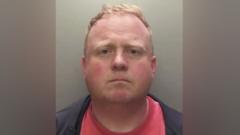
Funeral Director Faces Two Decades in Prison for Widespread Deception
A prominent funeral director has been convicted and sentenced to 20 years in prison following a shocking investigation that revealed systematic failures in his funeral home operations. The case involving the funeral director's misconduct has sent shockwaves through the funeral services industry, exposing the vulnerability of grieving families who entrust their loved ones to professional care.
Details of the Criminal Investigation
The investigation into the funeral home uncovered a pattern of gross negligence that extended far beyond simple administrative oversights. The funeral director failed to properly inter deceased individuals in burial plots designated by families, leaving numerous bodies in a state of administrative limbo. Simultaneously, cremation procedures were handled with alarming carelessness, leading to a disturbing practice where bereaved families received cremated remains belonging to complete strangers.
The Scope of Deception
The criminal conduct revealed that families who had paid substantial sums for proper funeral services and cremations received ashes of unidentified individuals instead of their own deceased relatives. This devastating betrayal compounded the grief of families already suffering from loss, adding legal complications and emotional trauma to their bereavement process.
Impact on Families and Community
The revelation of these practices has deeply affected numerous families in the community. Bereaved relatives discovered that their loved ones' remains had been mishandled, lost, or improperly processed for months or years. Many families were forced to initiate their own investigations to discover the truth about their relatives' final arrangements.
Legal Ramifications
The 20-year prison sentence handed down by the court reflects the severity of the crimes committed. The charges encompassed multiple counts related to fraud, improper handling of human remains, and violating funeral service regulations designed to protect families during vulnerable times.
Funeral Industry Standards and Oversight
This case has raised critical questions about how funeral homes are regulated and monitored. Industry standards require detailed record-keeping, proper identification procedures, and chain-of-custody protocols to prevent such incidents. The failure of oversight mechanisms allowed these practices to continue unchecked for an extended period.
Funeral professionals are bound by ethical codes and legal requirements that mandate respect for the deceased and honesty with grieving families. The criminal actions violated these fundamental principles at every level.
What This Case Means for Grieving Families
For families considering funeral services, this case serves as a cautionary reminder of the importance of choosing reputable, licensed funeral homes with transparent practices. Families are advised to verify licenses, request detailed service documentation, and ask specific questions about how their loved one's remains will be handled throughout the process.
The conviction of this funeral director should prompt families to seek recommendations from trusted sources and investigate funeral homes thoroughly before making arrangements. Documentation and regular communication with funeral service providers become essential safeguards.
Regulatory Changes and Future Protection
Following this scandal, regulatory bodies have implemented stricter oversight measures for funeral homes. Enhanced background checks, surprise inspections, and improved record-keeping requirements have been introduced to prevent similar abuses. Family advocacy groups are pushing for additional legislation to strengthen protections and create standardized identification procedures for human remains.
The funeral director's conviction sends a clear message that violations of trust and dignity in the funeral services industry will result in serious legal consequences. The 20-year sentence underscores the gravity with which courts treat crimes involving improper handling of human remains and fraud against vulnerable families.
Closure and Justice for Families
While the conviction provides legal closure, many families continue working to ensure their loved ones receive proper treatment. Some families have initiated civil proceedings to hold the funeral home accountable financially for emotional distress and the costs of correcting arrangements.
This high-profile case has elevated awareness about funeral home accountability and the need for families to remain vigilant when arranging final services for their deceased relatives. Moving forward, the funeral services industry faces increased scrutiny and calls for systemic improvements to restore public trust.


