Dover Vigilantes Pledge Return Unless Police Increase Action
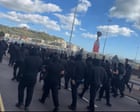
Masked Protesters Threaten Renewed Disruption at Major UK Port
Concerns are mounting over the potential return of Dover vigilantes following a high-profile blockade that disrupted traffic at one of Britain's busiest shipping terminals. The demonstration, orchestrated by Patriot Platform—an anti-immigration faction with documented ties to far-right movements—has prompted urgent calls from elected officials and advocacy organizations for enhanced police intervention and preventative measures.
The incident, which saw black-clad and masked individuals halt vehicular access to the port, has raised significant questions about crowd control capabilities and the effectiveness of current enforcement strategies. Political figures argue that without demonstrable escalation in police activity, Dover vigilantes will capitalize on perceived gaps in security protocols to organize additional disruptions.
Patriot Platform's Organizational Structure and Ideology
Patriot Platform has emerged as a central organizing force within anti-immigration activism, marketing itself through nationalist rhetoric centered on preserving British sovereignty and cultural values. The organization describes its mission as rooted in "fierce love for our homeland," using populist language to attract supporters frustrated with current immigration policies and border management procedures.
According to observers and researchers tracking extremist movements, the group's ability to mobilize participants at significant scale demonstrates sophisticated organizational capacity. Members communicate through encrypted channels and utilize decentralized coordination methods that circumvent traditional monitoring techniques. This operational structure has enabled rapid deployment of supporters when campaigns are activated.
Police Response and Law Enforcement Challenges
Hope Not Hate's leadership publicly attributed the successful mobilization to systematic police inaction and resource constraints affecting Kent authorities. The organization's founder emphasized that far-right linked groups exploit perceived vulnerabilities in enforcement infrastructure, strategically timing demonstrations when personnel capacity appears diminished.
Law enforcement officials face competing demands across multiple jurisdictions, with budget limitations restricting their ability to deploy specialized units for extended monitoring operations. Port security remains jointly managed by private contractors and police liaison officers, creating potential coordination gaps that activist groups have exploited in previous actions.
Political Pressure and Demands for Stronger Measures
MPs representing coastal constituencies have submitted formal inquiries demanding clarification regarding police preparedness protocols and resource allocation for border-area demonstrations. Several officials have publicly stated that Dover vigilantes represent an escalating threat requiring elevated response classifications and specialized training investments.
The government faces mounting criticism from multiple directions—some constituencies demanding stricter crowd dispersal authority, while civil liberties advocates warn against excessive security measures that could infringe upon legitimate protest rights. This political tension complicates the development of proportionate enforcement strategies.
Implications for Future Border Security
Security analysts predict that without immediate intervention, Dover vigilantes will schedule additional demonstrations during peak travel periods when maximum disruption can be achieved. The Port of Dover generates billions annually in trade flows, making transport continuity a critical economic concern affecting supply chains across Europe.
Community leaders in Dover have expressed frustration with repeated disruptions, noting that local residents experience collateral impacts through traffic congestion, delayed goods delivery, and environmental pollution from idling vehicles. Business organizations have submitted formal complaints to regional authorities requesting emergency protocols.
Broader Context of Anti-Immigration Activism
The resurgence of Dover vigilantes reflects broader polarization surrounding immigration policy across the United Kingdom. Various factions employ protest mechanisms to pressure government officials toward policy modifications, with some organizations adopting confrontational tactics explicitly designed to generate media attention and public debate.
Historical precedent suggests that high-visibility demonstrations often catalyze recruitment drives within activist communities, potentially expanding Patriot Platform's operational capacity for future mobilizations. This recruitment cycle could establish a pattern of recurring disruptions unless underlying grievances receive substantive policy response or law enforcement capabilities expand proportionally.
Campaigners and policymakers recognize that addressing the symptoms through enforcement alone may prove insufficient without parallel efforts to address underlying motivations driving anti-immigration sentiment. However, immediate security concerns remain paramount given the scale and disruptive nature of demonstrated capabilities.