British Airways Mayday Flight: Passenger Account of Terror and Emergency Landing
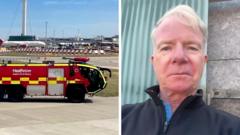
Terrifying Moments During British Airways Mayday Flight Emergency
Edward Killiwick was aboard the British Airways mayday flight that transmitted a critical distress signal before successfully landing at London Heathrow Airport during the early weeks of this month. The passenger's account provides a gripping firsthand perspective of the alarming sequence of events that unfolded at 35,000 feet, capturing the raw emotions and desperate moments experienced by those on board.
Eyewitness Account of In-Flight Crisis
During the British Airways mayday flight incident, passengers endured an intensely frightening experience as crew members and fellow travelers grappled with uncertainty about their safety. Killiwick's description of the emergency paints a vivid picture of the panic that gripped the cabin, with passengers contemplating worst-case scenarios as the aircraft faced mechanical or operational difficulties requiring immediate intervention from ground control.
The distress call issued by the flight crew signaled to air traffic controllers that the aircraft required urgent assistance and priority handling for an expedited landing. This critical communication set in motion emergency protocols at Heathrow, where ground crews prepared for a potential emergency touchdown while rescue services stood ready for immediate response if needed.
Expressions of Fear and Uncertainty
Among the harrowing details of the British Airways mayday flight experience, Killiwick recalled hearing fellow passengers express their deepest fears aloud. The emotional toll of facing potential danger manifested in desperate utterances, with some travelers voicing their primal fear of not surviving the ordeal. These raw expressions reflected the genuine terror that gripped the cabin as the aircraft navigated toward its emergency landing at Heathrow.
The psychological impact of such a crisis extends beyond the physical danger, affecting passengers' mental well-being and their perception of aviation safety. Killiwick's account serves as a reminder of how quickly a routine flight can transform into a life-threatening situation, leaving lasting impressions on those who experience such traumatic events firsthand.
Successful Emergency Landing at Heathrow
Despite the critical nature of the distress call, the British Airways mayday flight completed a successful emergency landing at London Heathrow Airport without serious injury to passengers or crew members. The coordination between flight crew, air traffic controllers, and ground personnel demonstrated the effectiveness of established aviation safety procedures and emergency response protocols.
The aircraft touched down safely on Heathrow's runway, allowing all passengers and crew to evacuate without incident. This positive outcome, while relieving the immediate danger, could not erase the psychological impact of the harrowing journey from crisis to resolution. The successful emergency landing underscores the importance of rigorous training, proper maintenance standards, and effective communication systems in commercial aviation.
Aviation Safety and Emergency Protocols
The British Airways mayday flight incident highlights the critical role of emergency procedures in protecting passenger safety. Modern commercial aircraft are equipped with multiple redundant systems designed to handle various emergency scenarios, and pilots undergo extensive training to manage crisis situations effectively.
The mayday distress call is one of aviation's most serious communications, reserved for situations where an aircraft faces imminent danger requiring immediate assistance. The decision to issue such a call is never made lightly, and it triggers comprehensive emergency response measures at receiving airports. In the case of this British Airways mayday flight, the prompt response and successful outcome demonstrated how well-coordinated emergency systems can mitigate potential tragedy.
Impact on Passenger Experience
For Edward Killiwick and fellow passengers aboard the British Airways mayday flight, the experience represents a significant life event that will likely influence their future travel decisions. Traumatic aviation incidents, even those concluding successfully, can result in lasting anxiety about air travel among survivors.
Airlines typically provide support and information to affected passengers following emergency landings, addressing questions about what occurred and the safety measures that prevented tragedy. This communication helps restore passenger confidence in aviation safety systems and demonstrates the airline's commitment to transparency and customer care during crisis situations.